Request Coffee: A Versatile Display Font for Editorial Design
As a content creator and editorial designer, I constantly seek fonts that balance visual appeal with readability. Request Coffee stands out as a modern and elegant display font that brings a touch of warmth and sophistication to any design project. Whether you're crafting a blog post, designing a magazine cover, or creating an ebook, this font offers the perfect blend of style and functionality.
The Visual Personality of Request Coffee
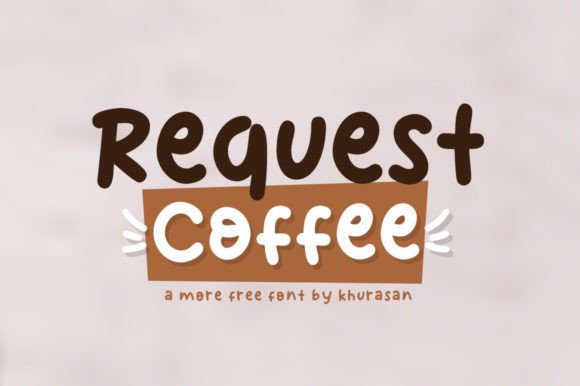
Request Coffee is a display font with a soft, rounded aesthetic that evokes a sense of approachability and creativity. Its clean lines and gentle curves make it visually inviting, while its subtle variations in weight and spacing add depth and character. This font is ideal for projects where a friendly yet professional tone is needed, such as lifestyle blogs, recipe guides, or creative workbooks.
Its personality is both modern and timeless, making it adaptable to a wide range of editorial uses. The font’s legibility at smaller sizes ensures it remains effective in digital formats, while its visual richness enhances print materials like book covers and magazine headers.
Editorial Applications of Request Coffee
Request Coffee shines in editorial design, offering versatility across various layout elements. It’s particularly well-suited for headers, titles, and pull quotes, where its display nature can draw attention without overwhelming the reader. For instance, using Request Coffee as a blog header can immediately set a warm and inviting tone for your audience.
In magazine design, Request Coffee can serve as a striking cover text or as a decorative element within article layouts. Its ability to stand out makes it an excellent choice for section headings or chapter openers, helping to guide readers through your content with visual clarity and charm.
For ebook creators, Request Coffee can elevate the title page and introduction, adding a layer of sophistication to your digital publication. Similarly, in newsletter graphics, it can be used for headlines or accent typography, enhancing the overall design without sacrificing readability.
Font Pairing and Layout Considerations
To maintain balance and readability, Request Coffee should be paired with a more readable body font. A serif font like Georgia or a sans-serif font like Helvetica can complement its display qualities, ensuring that the text remains accessible across different formats.
When designing for screen reading, consider how Request Coffee performs on mobile devices. While its visual appeal is strong, ensure that it doesn’t compromise legibility at smaller sizes. For PDF exports and print, test the font across various resolutions to maintain its intended look and feel.
Additionally, check if the font includes alternate styles, ligatures, or weights that can enhance your design. These features can add variety and help differentiate between headings, subheadings, and body text, supporting a clear visual hierarchy.
Branding and Consistency with Request Coffee
Consistency is key in building a strong brand identity. Request Coffee can play a vital role in establishing a cohesive visual language across your publications. Whether it's used for logo design, social media graphics, or website headers, its consistent styling helps reinforce your brand’s personality.
For content creators who rely on templates and reusable assets, having a reliable font like Request Coffee ensures that your branding remains uniform across all platforms. This consistency not only strengthens your brand but also improves reader recognition and trust.
Practical Use Cases for Request Coffee
- Lifestyle Blog: Use Request Coffee for headers and call-to-action buttons to create a welcoming and engaging user experience.
- Recipe Ebook: Apply the font to titles and pull quotes to highlight key ingredients or cooking tips.
- Wedding Guide: Incorporate Request Coffee into section headings and cover text to add a touch of elegance.
- Coaching Workbook: Utilize the font for chapter openers and motivational quotes to enhance the visual flow of your content.
- Digital Magazine: Employ Request Coffee for headlines and captions to maintain a balanced and professional design.
- Printable Planner: Use the font for dates, headings, and reminders to create a visually appealing and functional planner.
- Creator Newsletter: Integrate Request Coffee into your email headers and signature to reflect your brand’s style.
Commercial Licensing and Legal Considerations
Before using Request Coffee in commercial projects, ensure that you have the appropriate licensing rights. If the font is available as a freebie, confirm whether it allows for commercial use in ebooks, templates, printables, and paid newsletters. Always review the license terms to avoid any potential issues with usage rights.
For independent content brands and digital product creators, having access to a versatile and legally sound font like Request Coffee can significantly enhance your workflow and output quality.
Conclusion
Request Coffee is more than just a font—it’s a powerful design tool that supports both aesthetics and functionality in editorial work. Its modern yet approachable style makes it suitable for a wide range of applications, from blog headers to printable guides. By understanding its strengths and limitations, you can effectively integrate it into your design process and elevate the overall quality of your content.